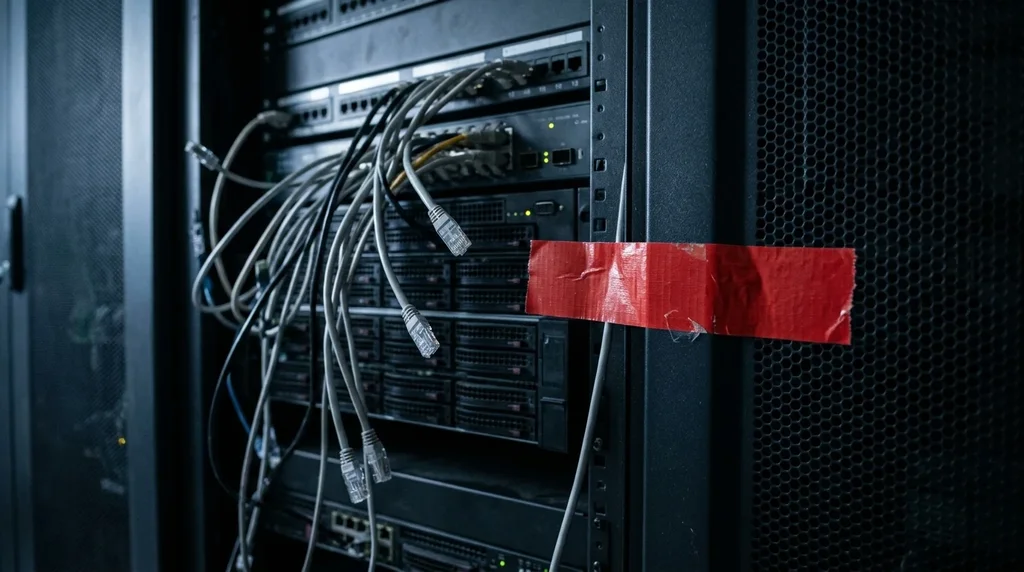
On Wednesday, October 14, Brooklyn District Attorney Eric Gonzalez announced the dismantling of the infrastructure of a cryptocurrency fraud network. Working with the FBI, his specialized unit seized or disrupted 241 websites and 112 servers, at the end of a three-year investigation. The scam targeted Russian-speaking victims in the United States and reportedly stole tens of millions of dollars, according to Journal du Coin.
To date, around 300,000 dollars have been seized, and no arrests have been announced. The case remains open. What makes the operation noteworthy is less these amounts than its method: going after the machines rather than the storefronts.
How this crypto scam worked
The modus operandi described by the district attorney follows the classic mechanics of investment fraud. It unfolded in several stages:
- The bait: Russian-language Facebook ads promised return opportunities.
- The contact: fake investment advisers then called interested people and guided them toward buying cryptocurrencies.
- The deposit: these cryptocurrencies had to be sent to fraudulent trading platforms controlled by the network.
- The lockout: when they tried to withdraw their funds, investors found their accounts locked, or the platform demanded additional payments presented as taxes or fees.
The network did not stop there. According to the seized data, it contacted victims again a few weeks later to offer to recover their funds, in exchange for new payments. A false promise that amounts to making the same people pay twice. According to Eric Gonzalez, some victims lost their entire savings.
Journal du Coin also notes that the software behind this kind of fake trading is sold as a turnkey solution. In other words, setting up a fake platform does not require advanced technical skills: the tool can be bought, and the sites can be replicated.
Targeting servers rather than domain names
This is where the operation stands out. The district attorney's Virtual Currency Unit had already seized or disrupted 400 domains linked to crypto investment fraud. But replacement sites kept proliferating: every shutdown led to a copy.
This time, investigators targeted the servers, hosted by companies in Eastern Europe and the United States. These were the machines storing the victims' data and the network's software. The stated goal is to prevent the operators from quickly relaunching new platforms.
In substance, the logic makes sense. A domain name is easy to replace; an infrastructure containing the software, the victim files and the platform configuration costs more to rebuild. The action does not, however, neutralize the perpetrators, who have not been arrested. It slows them down, with no guarantee of how long: these networks have so far often managed to reappear under other names.
A large-scale phenomenon in the United States
The context shows the scale of the problem. According to the FBI's annual report for 2025, crypto investment scams accounted for around 84% of the 8.65 billion dollars in losses linked to investment fraud. Across all categories of cybercrime, cryptocurrency-related losses reached 11.37 billion dollars, or around 54% of the total.
The FBI also claimed 17 billion dollars seized in Operation Blackout, a sign that US authorities have made crypto a priority in the fight against online fraud.
Warning signs to know
This case involves victims in the United States, but the scenario is far from local. In Switzerland too, online scams are closely monitored, as our article on the Crime Survey 2025 pointed out. Several signals, drawn from the modus operandi described in Brooklyn, should raise a red flag:
- a social media ad promising returns, sometimes in the target's native language;
- an "adviser" who calls unprompted and pushes you to buy cryptocurrencies and transfer them to a platform they recommend;
- a platform that blocks withdrawals or demands taxes and fees before releasing the funds;
- an offer, after the fact, to recover the lost money in exchange for a new payment.
This last point deserves particular attention: a victim who has already been scammed remains a target. Crypto scams also take other routes, such as this fake Ledger firmware update that targeted wallets' recovery phrases.
Sources
- Journal du Coin: "Fraude crypto : le FBI et Brooklyn démantèlent l'infrastructure d'un réseau qui visait les russophones"