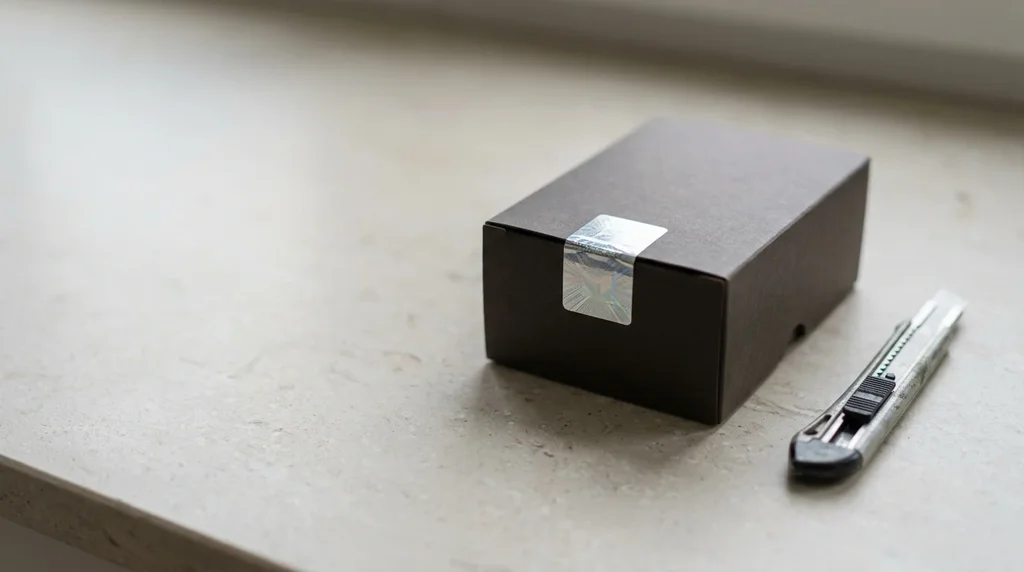
Fewer resellers, but better monitored. Trezor announced on 13 October that it was reducing the number of its authorised resellers, reports Journal du Coin. The Czech hardware wallet maker wants to keep closer control over the partners that distribute its devices, following recent supply chain incidents at its French competitor Ledger. Trezor presents the measure as preventive and says it has no evidence that its own devices have been compromised.
A tighter network, country by country
The announcement was made in a post on X, in which Trezor explains that it wants to work with fewer resellers so that it can vet them more effectively. Its chief commercial officer, Danny Sanders, shared a letter addressed to the partners concerned, setting out the timeline.
The operational points are clear. Shipments of new stock to the resellers being dropped stop as of the announcement. Their authorisation will end on 1 January 2027, when they will be removed from the official list. Until then, they may sell off their remaining inventory, including during Black Friday and the holiday season.
According to Journal du Coin, the selection was made country by country, based on revenue, distribution coverage and Trezor’s own presence in each market. The manufacturer has disclosed neither the total number of resellers affected nor the list of countries concerned. It is therefore impossible to say at this stage whether any distributors active in Switzerland are among them.
In his letter, Danny Sanders states that the decision is not a judgement on the distributors’ work or on the security of the devices they sell: it reflects Trezor’s capacity to monitor its partners closely.
Checks on origin, storage and handling
Resellers that remain in the network will be subject to an updated legal framework and stricter checks. These will cover in particular the origin of the devices, their storage conditions and how they are handled before sale. The stated aim: to keep better track of each device’s journey to the buyer.
That is the crux of the matter. A hardware wallet is used to keep the keys that give access to crypto-assets offline. Its promise rests on trust in the object itself: if it may have been tampered with between the factory and its owner, that promise no longer holds. Hence the importance of the distribution channel, and not just of the quality of the product.
An announcement to be read with some distance
Journal du Coin urges readers to keep a cool head. Trezor itself acknowledges that it has found no compromise of its devices, and the reduction of the network should not be interpreted as confirmation that products sold by the dropped partners have been tampered with. But the manufacturer has chosen to communicate publicly about tightening its controls just as its main competitor is going through a turbulent patch, a few weeks before a decisive period for hardware wallet sales. A security measure, then, that also serves its commercial image.
Precautions for buyers in Switzerland
The basic rule, recalled by Journal du Coin, applies to all brands: buy directly from the manufacturer or from an official reseller, and check the device as soon as it arrives. In practice:
Use an identifiable channel. Trezor’s online shop remains a direct purchasing channel. To buy from a retailer, it is best to consult the official list of authorised resellers, which lists the approved distributors in each country and will be adjusted to reflect the announced changes. This check takes a minute and should be done at the time of purchase, as the list will change between now and 1 January 2027.
Be cautious with unlisted channels. An attractive offer on a marketplace or a second-hand device gives no way of knowing the object’s history. Yet it is precisely this journey that the manufacturer is now seeking to control more closely.
Check the device on receipt. Before entrusting it with any assets, follow the verification steps set out by the manufacturer in its official documentation, and do not use a device that appears to have already been opened or set up.
These precautions guarantee nothing in themselves and do not constitute investment advice. They simply reduce the risks linked to the device’s origin, which remains the link the whole sector is now seeking to monitor more closely.
Sources
- Journal du Coin: “Crypto: Trezor cuts its reseller network to strengthen its controls”