Two Swiss technology suppliers published their figures on Tuesday, October 20, 2026. At Comet, third-quarter 2026 revenue jumped 51.9% year on year, driven by the recovery in semiconductors. Huber+Suhner, for its part, reported an 11.3% rise in sales over the first nine months of the year and confirmed its annual targets. The two increases, however, are not explained by the same drivers.
Comet lifted by the semiconductor recovery
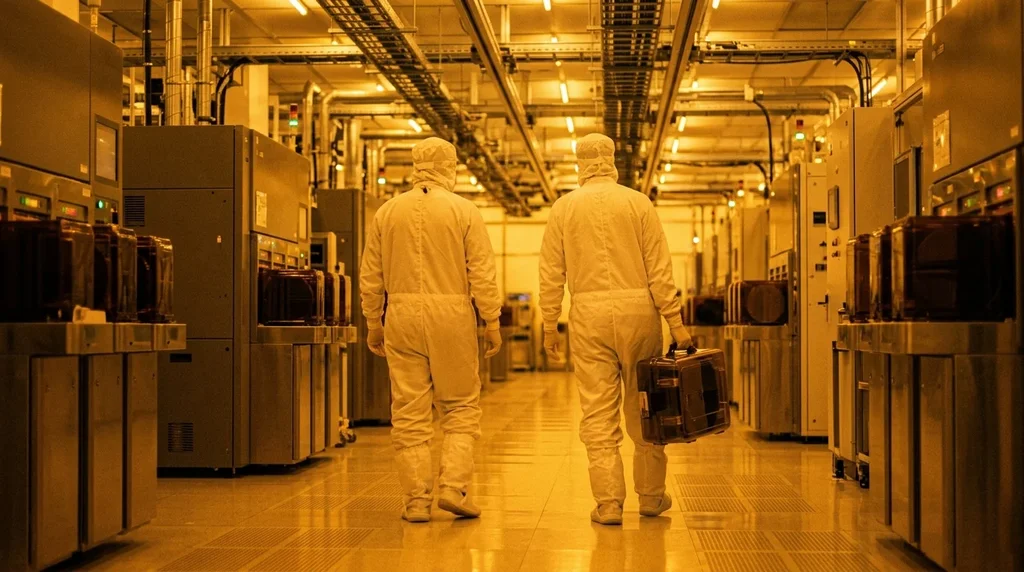
The Fribourg-based X-ray and radio frequency specialist generated revenue of CHF 155.6 million in the third quarter of 2026, up 51.9% on the same period of 2025, according to figures reported by Keystone-SDA and picked up by swissinfo.ch. Over the first nine months of the year, sales rose 20% (24.3% at constant exchange rates) to CHF 395.5 million.
In its press release, Comet says these results "confirm the growth momentum seen in the first half". The company attributes this performance first and foremost to its Plasma Control Technologies (PCT) division, where demand for established products remained high and the Synertia high-frequency platform continued to gain ground.
The Industrial X-Ray Modules (IXM) division also posted clear revenue growth. According to Comet, it benefited from its position in aerospace, security and defense, as well as from the expansion of its portfolio into fast-growing markets such as semiconductors and batteries. Only the X-Ray Systems (IXS) division saw its revenue decline slightly, against a comparison quarter the company describes as "excellent".
Orders up very sharply
The most striking figure concerns order intake: it rose 170% in the third quarter to CHF 275.6 million, an amount well above sales for the period. For management, this "exceptionally high" level underlines customers' confidence in the sector's long-term growth prospects and strengthens the foundations of the business for the coming quarters. This is the company's own assessment: booked orders only become revenue as deliveries are made.
For 2026 as a whole, Comet says it is only "partially affected" by geopolitical tensions. Possible indirect effects, such as higher transport, logistics, energy and raw material costs or stricter regulatory requirements, are being managed, according to management, through targeted measures and regional diversification. The source consulted does not mention a quantified target for the financial year.
Huber+Suhner: sales up, orders stable
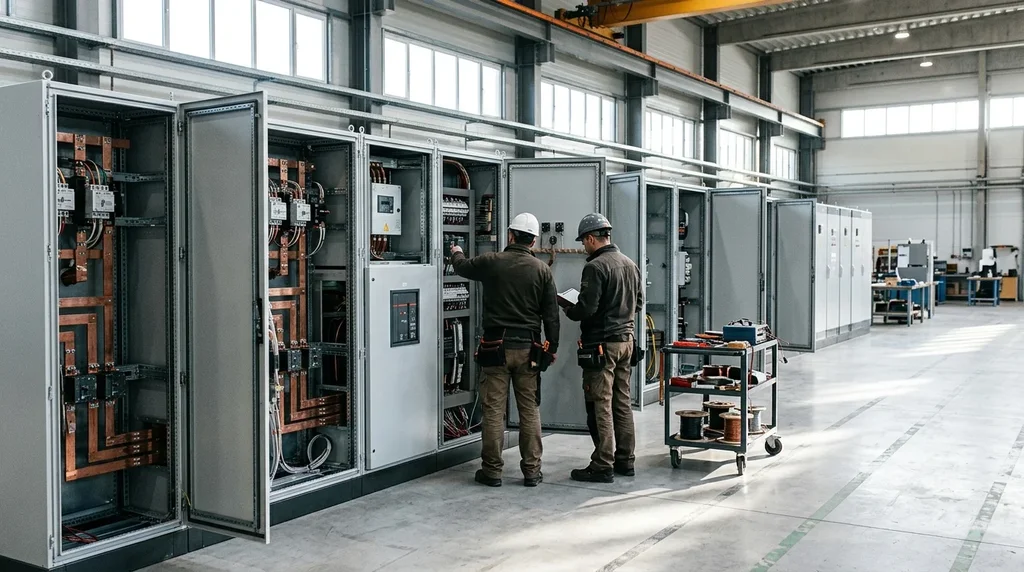
From January to the end of September 2026, sales at the Appenzell-based connectivity specialist rose 11.3% to CHF 734.1 million compared with the same period of 2025, according to the press release reported by AWP and Allnews. Adjusted for currency effects, the copper price and portfolio effects, growth came to 10.6%. The recently acquired Ingun unit contributed to the figures for only one month.
The company cites the strength of its industry segment and a recovery in transportation as drivers. Order intake, on the other hand, fell 0.8% year on year to CHF 811.9 million. The book-to-bill ratio stood at 1.11 at the end of September, meaning that orders remain higher than invoiced sales.
Both sales and orders beat the consensus of analysts surveyed by AWP, who had expected CHF 701 million in sales and CHF 792 million in order intake. For the 2026 financial year, Huber+Suhner is maintaining its target of organic sales growth of at least 10% and an operating margin of between 10.5% and 12.0%, i.e. the upper half of its medium-term target range (9% to 12%). The company states that these targets assume no significant impact from inflation, exchange rates, the economic environment or geopolitical conflicts.
What these figures say about the semiconductor cycle in Switzerland
Read together, these two releases call for a cautious interpretation. Comet is directly exposed to the chip cycle: according to the Keystone-SDA agency, its growth is driven by the recovery in the semiconductor sector, while the company itself highlights its PCT and IXM divisions. At Huber+Suhner, the source consulted does not mention semiconductors; growth is attributed to industry and transportation, and orders are stable rather than sharply higher.
These figures therefore do not support the conclusion of a broad-based recovery among Swiss technology suppliers. They show a marked rebound where exposure to chips is direct, and steadier growth elsewhere. Both companies also point to similar uncertainties, starting with geopolitical tensions. What happens next will depend in particular on how Comet's orders convert into sales over the coming quarters.
Sources
- SWI swissinfo.ch: "Swiss semiconductor firm Comet sales boosted by chip demand"
- Allnews: "Huber+Suhner affiche des ventes trimestrielles en croissance"