The respite was short-lived. According to the latest figures from the Touring Club Switzerland (TCS), reported by swissinfo.ch, petrol and diesel have both risen by five centimes per litre in recent days. At the same time, European natural gas hit its highest level since December 2022 on Friday, and on Thursday the Confederation authorised limited withdrawals from the compulsory kerosene reserves to avoid a shortage at Zurich airport.
Fuel prices in Switzerland: diesel close to its annual peak
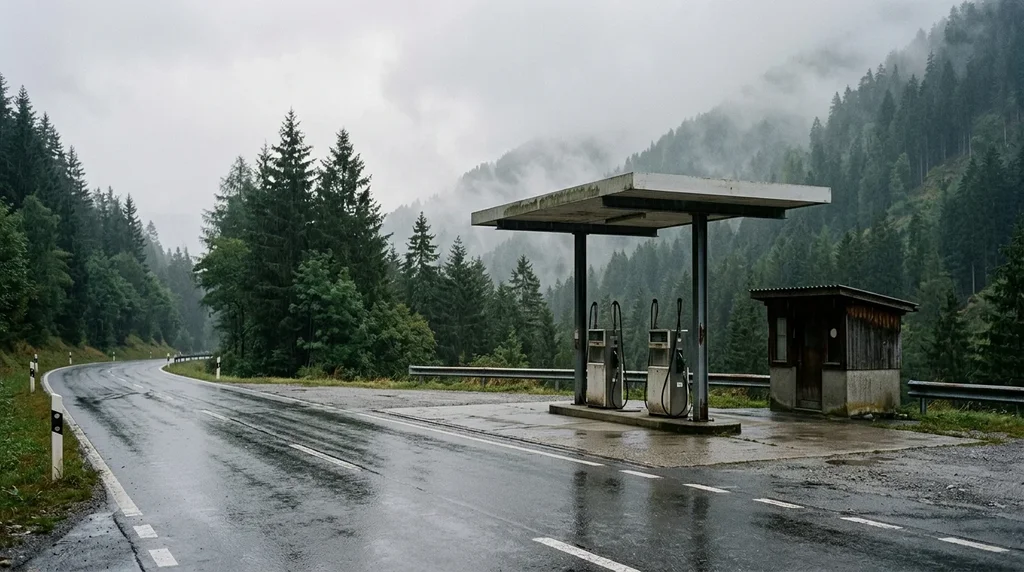
According to the TCS, a litre of unleaded 95 costs an average of CHF 2.16, 2.4% more than a week ago. Unleaded 98 stands at CHF 2.27, up 2.3%. Diesel is up 2.1% at CHF 2.45 per litre: it is now just one centime below its high for the year, CHF 2.46, reached in mid-September.
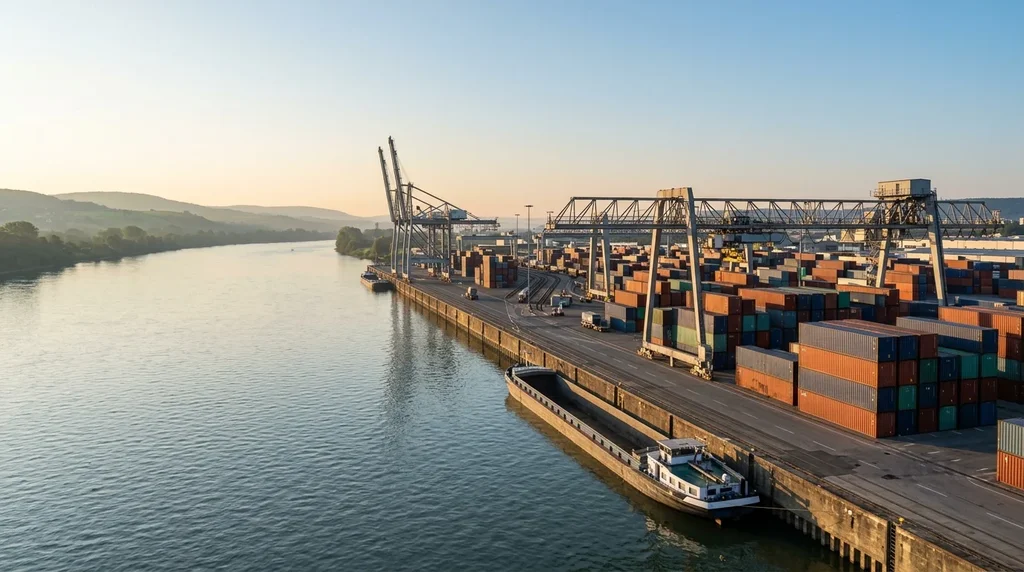
After the sharp increases in September, pump prices had eased slightly for a short period. According to the same source, their fluctuations are due in particular to the tight situation on international fuel markets, compounded by transport difficulties in Switzerland: low water levels on the Rhine are making imports more expensive.
The signal from the oil market is more mixed. On Friday morning, a barrel of North Sea Brent was trading at around 105 dollars and edging slightly lower. This level remains well above the roughly 72 dollars seen before the start of the war in Iran at the end of February. As swissinfo.ch points out, movements in crude oil generally take some time to feed through to pump prices in Switzerland: a slight dip in the price of a barrel therefore does not mean an immediate fall for motorists.
Gas prices at their highest since December 2022
On the gas market, the trend is clearly upward. According to Allnews, drawing on AWP and AFP dispatches, the Dutch TTF futures contract, the European benchmark, rose 1.69% on Friday to 87.90 euros per megawatt hour, after peaking at 88.24 euros, surpassing the levels already reached this week.
The cause: reserves considered too low as winter approaches. According to the European platform Aggregated Gas Storage Inventory (AGSI), European gas storage is only 74.10% full, compared with 83.04% on the same date a year earlier. Germany is lagging behind, with reserves at 60.19%, compared with 75.92% last year. These levels “leave Europe vulnerable to cold weather and to further disruption of LNG exports from the Middle East”, says Arne Lohmann Rasmussen, analyst at Global Risk Management.
Supply remains disrupted by the war in the Middle East. According to Norman Liebke, analyst at Commerzbank, Qatar, the region's leading exporter of liquefied natural gas, “is currently exporting at only 20-30% of its capacity”. This loss of supply is fuelling competition between Asian and European buyers. Arne Lohmann Rasmussen raises the prospect of 100 euros per megawatt hour if the situation deteriorates again: this is a scenario, not an observation.
Kerosene: the Confederation draws on reserves for Zurich
The logistical difficulties are also affecting aviation. According to the federal office responsible for the country's economic supply, cited by swissinfo.ch, up to 30,000 cubic metres of kerosene may be withdrawn from the compulsory reserves from 15 October to 1 November 2026 inclusive. This quantity corresponds to 6.5% of the current compulsory stock of aviation fuel.
The bottleneck is not caused by a lack of product, but by transport: disruptions and delays on the rail network, particularly on the supply lines from Germany. Low water levels on the Rhine have already shifted additional freight onto heavily congested railway lines, so missed deliveries cannot be made up in time.
What this means for households and businesses
The sources do not quantify the effect of these increases on household budgets or on business costs in Switzerland. The mechanism is, however, well known: more expensive fuel first affects motorists and transport companies, then, with a time lag, the prices of goods transported by road. The logistical factor, with the Rhine at low levels, weighs as heavily here as international prices. As for gas, the rise observed on the European wholesale market does not yet say whether, or when, it will be passed on to Swiss consumers' bills: the sources do not specify.
Sources
- SWI swissinfo.ch: “Fuel prices rise again in Switzerland”
- Allnews: “Le gaz européen monte avec les inquiétudes sur les réserves”
- SWI swissinfo.ch: “Switzerland releases fuel reserves to ease shortage risks at Zurich airport”